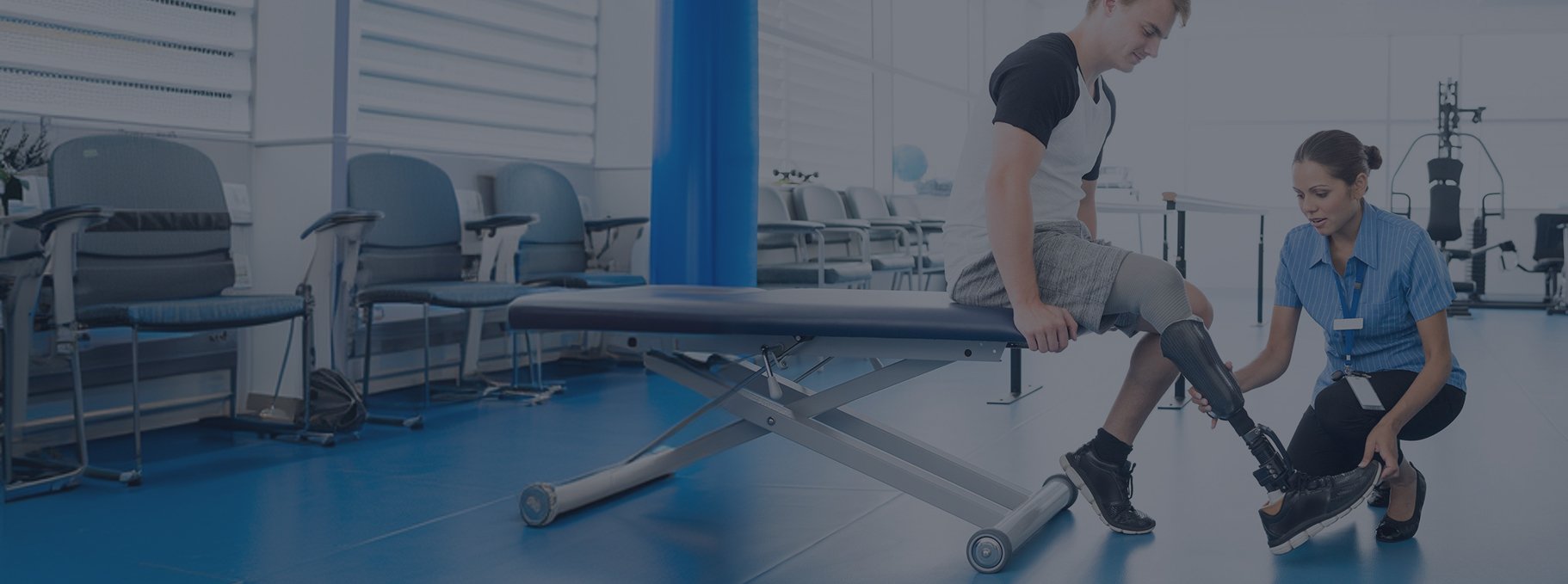
Amputation Injury Lawyer in Pennsylvania
Workers' Comp Claims for Amputation & Loss of Limb
Paula Robinson has spent more than 35 years practicing workers’ compensation law in Pennsylvania, including time representing employers and insurance companies. That background means she knows exactly how insurers build their defense strategies, and she uses that knowledge on your behalf. She works exclusively in workers’ compensation matters, so every negotiation tactic and every procedural decision is drawn from a career spent entirely in this one area of Pennsylvania law.
When you hire Robinson Law LLC, you work directly with Paula, not a paralegal and not a case manager. She serves injured workers throughout Pennsylvania, and she offers a free consultation to review your situation before you make any decisions about moving forward.
If a workplace amputation has upended your life, call our office at (215) 804-9924 for a free consultation. Paula can review your claim and explain what you may be entitled to under Pennsylvania law.
Covering Your Medical Needs After a Workplace Amputation
The first concern after a catastrophic injury is your health. Pennsylvania workers’ compensation insurance can cover all reasonable and necessary medical treatment for a workplace amputation, but that phrase, “reasonable and necessary,” is exactly where insurers push back. Carriers routinely dispute the scope of covered care, and the gap between what they approve and what you actually need can be significant.
Because Paula spent years on the defense side, she understands the arguments insurers use to limit medical coverage and can counter them directly.
She works to get you the full scope of medical care you may be entitled to, fighting for coverage for things like:
- Top-quality prosthetics and fittings
- Ongoing physical therapy and occupational therapy
- Home modifications, like ramps or accessible bathrooms
- Pain management and treatment for phantom limb pain
- Mental health therapy to address the emotional impact of the injury
She deals with the insurance adjusters for you. Your job is to focus on healing. Her job is to work to make sure you have the medical resources to do that.
Getting Paid While You Are Out of Work
Your paychecks stopped, but your bills didn’t. The Pennsylvania Workers’ Compensation Act provides wage-loss benefits when a work injury prevents you from doing your job. These payments are generally calculated at approximately two-thirds of your average weekly wage. For Pennsylvania workers, getting these benefits started correctly is critical.
An insurance company might delay your first payment, calculate your weekly benefit at a lower amount than you deserve, or pressure you to return to some form of employment before you’re medically ready. Paula reviews the insurer’s calculations for accuracy and pushes back against any attempt to unfairly stop or reduce your payments. Since opening in 2011, Robinson Law LLC has recovered $22M since 2011 for clients, covering medical bills, lost wages, specialist visits, and surgery costs. That track record informs how she approaches every wage-loss dispute.
Specific Loss Benefits for an Amputation in Pennsylvania
Pennsylvania Workers’ Compensation Act Section 306(c) provides a separate category of compensation called “specific loss” benefits. These are paid in addition to your wage-loss benefits and medical coverage. Critically, they may be paid even if you’re able to return to work. The statute assigns a fixed number of weeks of compensation for the permanent loss of each body part.
Before specific loss payments begin, you’re entitled to a separate healing period benefit. Under Section 306(c)(25) of the Act, the healing period is a fixed number of weeks assigned to each body part, paid before your specific loss benefits begin. It can end early if you return to work without impairment in earnings, giving you an additional layer of income protection during your initial recovery.
The Section 306(c) schedule includes the following:
- Loss of an Arm or Leg: 410 weeks of compensation
- Loss of a Forearm (between wrist and elbow): 370 weeks of compensation
- Loss of a Lower Leg (between ankle and knee): 350 weeks of compensation
- Loss of a Hand: 335 weeks of compensation
- Loss of a Foot: 250 weeks of compensation
- Fingers and Toes: Each carries its own value under the schedule
Under the statute, amputation at or above the elbow is treated as loss of an arm, and amputation at or above the knee is treated as loss of a leg. The law also covers permanent loss of use. If a limb is so severely damaged that it is lost “for all practical intents and purposes,” that may qualify for the same specific loss benefits as a physical amputation, even if the limb is still attached.
Insurance carriers frequently challenge how an injury is classified, disputing the extent of loss, whether a loss-of-use claim qualifies, or whether your disability is truly separate from the specific loss, to limit the duration and amount of benefits they pay. Paula’s role is to confirm correct injury classification, document the full extent of loss including loss-of-use claims, and counter insurer efforts to undervalue your claim.
Beyond the Amputation: Addressing All Your Injuries
An event violent enough to cause a workplace amputation rarely causes just one injury. The same incident may involve crush injuries, burns, back trauma, and serious psychological harm, all of which may be compensable under Pennsylvania workers’ compensation law. Psychological trauma is a recognized, covered health condition, and Paula looks at your whole situation to identify every avenue of compensation available to Pennsylvania workers.
Some workplace amputations also give rise to a separate personal injury claim. When the incident involves a defective machine or a negligent third party, you may have a third-party personal injury claim running alongside your workers’ comp claim. These two claims are legally intertwined, and how they’re handled together affects the outcome of each. Paula maintains a network of experienced Pennsylvania personal injury attorneys and actively refers amputation clients when a third-party claim exists. She then works directly with that attorney to coordinate both claims simultaneously. Few workers’ compensation-only firms offer that level of coordinated cross-practice support for Pennsylvania clients.
Her practice can provide you with information about your options if you’re also facing:
- The need to apply for long-term disability benefits
- Other catastrophic and traumatic workplace injuries
- An injury from a work-related motor vehicle accident
- Harm from a workplace slip and fall
- Permanent scars or disfigurement injuries
Get Answers About Your Amputation Injury Claim with Robinson Law LLC
Paula Robinson holds a 10/10 Avvo score with more than 200 client reviews and has earned the Avvo Clients’ Choice Award three consecutive years: 2023, 2024, and 2025. Robinson Law LLC is BBB accredited and recognized by Super Lawyers and Expertise. She serves clients in both English and Spanish, so language is never a barrier to getting the help you need.
If you’re looking for a Pennsylvania attorney who gives you straight answers, works your case personally, and brings more than 35 years of workers’ compensation experience to the table, call Paula at (215) 804-9924 or reach out online. Your focus should be on your health and your family. She can handle the fight with the insurance company.
Paula is certified as a specialist in the practice of workers’ compensation law by the Pennsylvania Bar Association’s Section on Workers’ Compensation Law, as authorized by the Pennsylvania Supreme Court.
Why Injured Workers Choose Robinson Law LLC
Workers' compensation and nothing else for 35+ years. Here's what you can expect with our firm:
- Certified Workers' Comp Specialist
- $22+ Million Recovered
- Direct Line to Paula
- Free Initial Consultation

What Clients Say About Paula
-
Very knowledgeable, helpful, and friendly attorney. A pleasure to work with and truly cares about her clients.Greg Scruci
-
I wholeheartedly recommend her. I know you'll be in good hands.mary vaughan
-
She is extremely knowledgeable, dedicated, and genuinely cares about her clients.Keri marie Harvey
-
Having worked with many attorneys over the years, I can confidently say that Paula is one of the best I've ever worked with.marla viturello
-
She is always there for her clients and will fight until she gets a fair settlement!JB Mohr
-
I would highly recommend her to anyone looking for a knowledgeable, compassionate, and dedicated workers’ compensation attorney.karen stroup
-
If you want a brilliant lawyer who treats you like a person and not just a case number, Paula Robinson is the only choice.Jennifer McCormick (JLM729)
-
Very quick and knowledgeable to respond to all my questions.Nora Hanstein
-
Paula was very thorough and informative.Dennis Barone
-
I’m completely satisfied with her work and the outcome.Dennis Barone
-
Paula is very attentive to her clients. She works very good at answering clients' questions thoroughly.Bil
-
Because of her approach, I felt completely secure and confident that my case was in the best possible hands.Swayy94
-
She is a dedicated professional who consistently stays attentive to any updates regarding my case.Merari Santana
-
It was very apparent to me that she was knowledgeable and energetic regarding my case.Brian Soler
-
She fought to get the best outcome for me, always having my best interest in mind.Joe Loayza
-
She was extremely attentive, responsive, and always made me feel supported throughout the process.Melissa Gorgol
-
Her professionalism, persistence, and compassion made all the difference in my case.Jessica Grey
-
Amazing attorney that fought for me and got me what I deserved.Kasey
-
From day one Paula made my experience and journey with her easy and comfortable.Ashley Seneca
-
She is definitely professional and on point, there for every question or concern I had.Judith Turlington
-
Calling her was the best thing I could have done.David Bleam
-
Along the way I received very solid advice for my situation.Rich Reinhart
-
I recommend Paula Robinson; she did an amazing job with my case.Leydi Raposo
-
You don’t know how it felt to have someone listen to your situation and tell you everything is going to be OK.Karen Edwards
-
From the first time I met Paula, I knew she would take care of me.Mountain Alternatives
-
She keeps you very well informed during the whole process of your case and answers all questions promptly.Brian Galle
-
She is always there for her clients and will fight until she gets a fair settlement!JB Mohr
-
She had excellent communication throughout the entire process, was relatable and sincere, and had answers to all my questions.Emmitt
-
If anyone needs a Workers' Comp lawyer, Paula is your lawyer!steve harris
-
She is very professional and respectful. She listened to me and answered all of my questions.Chris Peters
-
Paula is absolutely a great lawyer and person, and she was a perfect fit for his case.Donna Buschmann
-
Very professional and helpful with all my inquiries.Gregory King
-
Paula Robinson is a great lawyer. Great communication and very timely.Kelly Colonna
-
She is extremely knowledgeable, kind, and compassionate.Stacey Hockman
-
My case was a difficult one to defend but Paula went above and beyond helping me get a settlement.Rich Meyers
-
She was very thorough and always quick to respond to any questions or concerns I had.konnie seeger
-
She is extremely professional, smart, courteous, and gets back to you right away.Tony Longobardi
-
She will fight for you and make sure you’re prepared and understand.Deems Smith
-
I am extremely impressed with the level of professionalism, expertise, and dedication they demonstrated throughout my case.Isiah Rivera
-
Any client in need of a professional Workers’ Comp Attorney would be extremely grateful in having her on their side.Edna Feliciano-Flatts
-
We contacted Robinson Law, spoke with Paula and immediately felt at ease.Kelly Ann Jourdain
-
Dedicated attorney, easy to work with.Gabriel Picarello
-
She made the whole process very easy to understand and helped me every step of the way.Clotelda Prothro
-
She made sure I understood every step of the process, checking in with me throughout our time together.Dan R
-
She helped me find doctors that were better suited for my injuries on top of taking care of all the legal things.Chelsey Matakonis
-
She went above what I expected to get good results.Mike Serrecchia
-
Tenacious and savvy, she obtained a settlement that allowed an opportunity for me to move on from my worker’s compensation case to a new future.Ray Wilder
-
If you need someone to fight for your rights this is the attorney you need.Robert Melovitz
-
I was very happy with the way she handled everything.Cheryl Wornham
-
She was very professional and understanding and supportive.Janine Queen
-
My lawyer Paula was excellent, very professional, and a nice person.realistic soul
-
She made sure I understood what was going on, and what my choices were.Duane Faulkner
-
Paula is extremely caring, helpful, and passionate about her services!Jennifer Makuvek
-
Paula truly works for the client and has your best interest in mind.Chris Lacken
-
She always kept me informed and was always available to answer any of my questions.james cummings
-
She kept me informed throughout the entire ordeal and helped me secure a fair settlement.Karl Pellegrino
-
I HIGHLY recommend Paula Robinson; you will not be disappointed.Luis Rosado
-
She helped our family with a very ugly and difficult workers' comp case and turned a nightmare situation into a blessing.Jon Puccio
-
She was reassuring, articulate, knowledgeable, and effective.Cheryl West
-
She was a savior! We started receiving checks on time and medical care was approved.Cynthia S
-
After my work injury my Fiancé and I wanted to be sure we were doing everything correctly to move our lives forward. It can be an overwhelming and scary process, dealing with large insurance firms by yourself. We turned to Paula Robinson and were glad to have her on our side. Paula is friendly, professional, and most importantly good at her job. She treated us like old friends in her office, and as a professional and seasoned attorney in the courtroom. Mrs. Robinson took care of everything, all bills, NeuroAndrew S.
-
After having a severe injury at work, my Attorney, Paula Robinson, was very persistent in dealing with the insurance company for my settlement. She is an exceptional lawyer. Paula took a lot of time with my wife and I to make sure we understood everything. I would recommend Attorney Robinson to anyone looking for a caring, personable, professional lawyer.David W.
-
I thought I didn’t need a lawyer for my workman’s comp. case. I was so wrong. A friend recommended that I call Paula Robinson at Robinson Law. If you want an attorney who will treat you with personal commitment, one who answers all of your calls, one who goes out of her way to give you the personal attention you want, then Paula Robinson is the one you should call to handle your injury case. She will work hard to get you the best settlement possible in the shortest time. She is always just a phone call awayRich W.
-
Being represented by Attorney Robinson was a wonderful experience for me and my family. Not only was Paula a competent and skilled attorney helping me receive compensation in my case, but she was truly sympathetic to my scenario and difficulties the circumstances presented for me and my loved ones. I would recommend Attorney Robinson for anyone dealing with a work related injury or disability. She is the best… thanks again Paula for everything!John H.